

When people think about babies, they usually imagine tiny fingers, cute smiles, and endless naps. But inside those tiny little bodies is something truly surprising — babies are actually born with more bones than adults.
Yes, you read that right.
A newborn baby has around 300 bones, while the average adult only has 206 bones. It sounds impossible at first, but there’s a fascinating scientific reason behind it. The human body goes through incredible changes during growth, and a baby’s skeleton is specially designed to support fast development during the early years of life.
Let’s explore why babies have more bones, how those bones change over time, and why the human body is truly amazing from the very beginning.
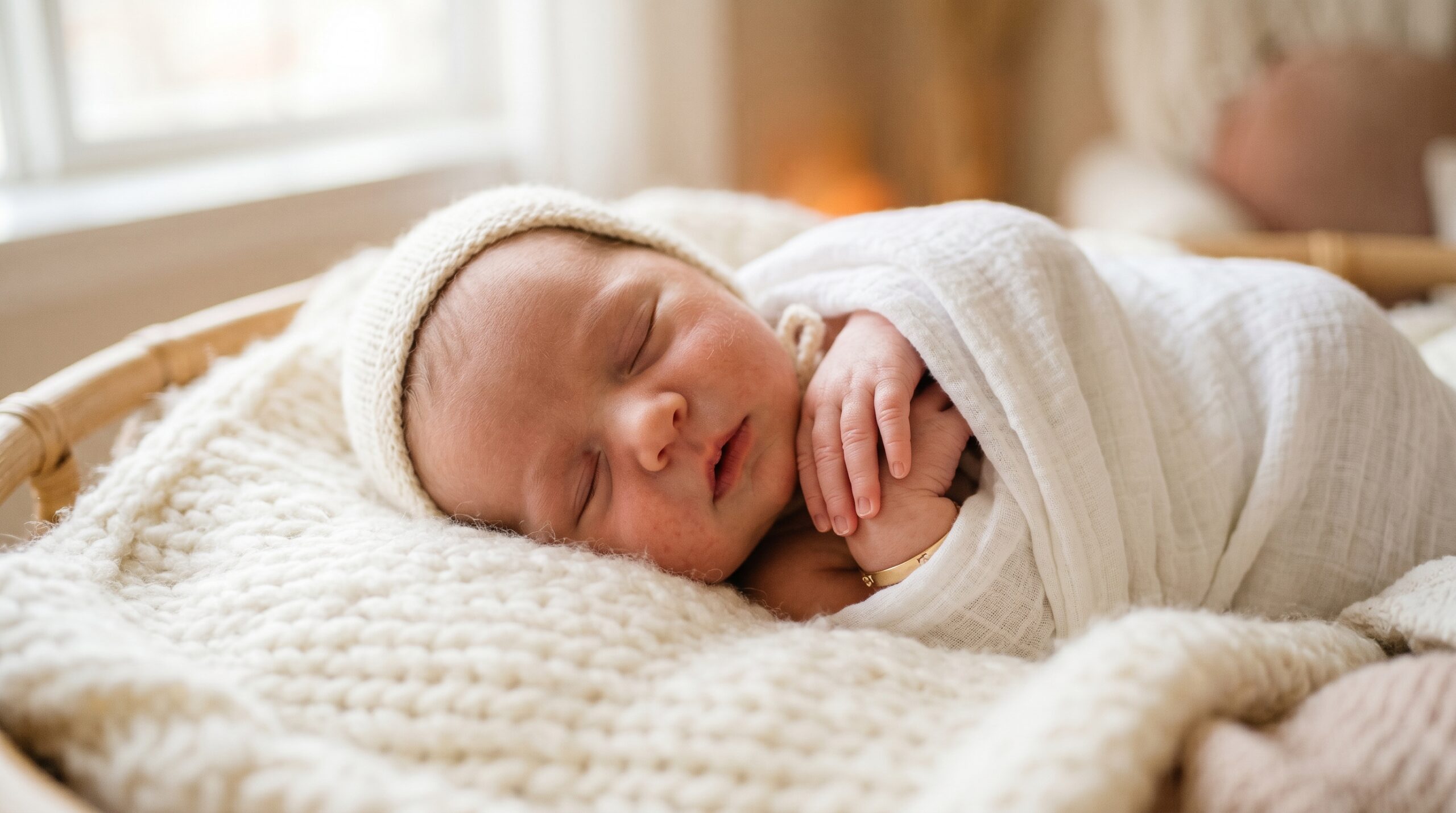
Babies Start Life With Around 300 Bones
At birth, a baby’s body contains many small bones and flexible cartilage structures. These bones are not fully hardened yet because a newborn’s body still needs room to grow and develop.
As children grow older, many of these tiny bones slowly join together, forming larger and stronger bones. By adulthood, the total number becomes 206.
This process is completely natural and happens gradually over many years.
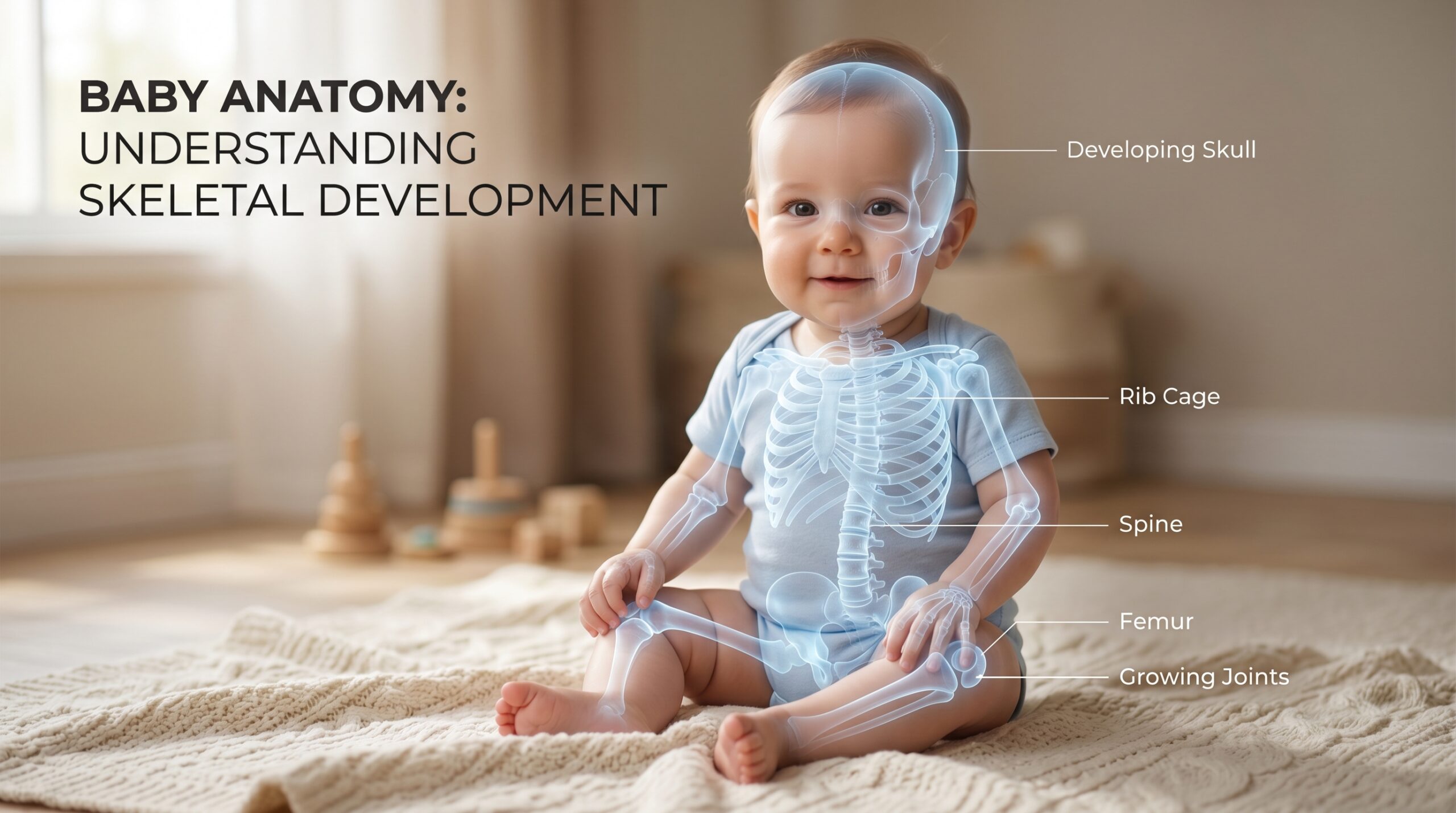
One of the best examples of this is the skull. A baby’s skull is not made of one solid bone when they are born. Instead, it is made up of several separate plates that slowly fuse together over time.
That’s why babies have soft spots on their heads, called fontanelles. These soft areas allow the skull to stay flexible during birth and also give the brain enough space to grow rapidly during infancy.
Why Are Baby Bones Softer?
Baby bones are much softer and more flexible than adult bones. This is because many parts of a baby’s skeleton contain cartilage instead of fully hardened bone.
Cartilage is softer, bendier, and lighter than bone. It helps babies move more comfortably and grow quickly during the first few years of life.
Flexible bones also help protect babies from serious injuries while they are learning to crawl, stand, and walk. Since babies fall down frequently, softer bones provide a small amount of extra protection.
Nature designed the baby body in a very smart way.
Bone Growth Happens Gradually
As babies grow into toddlers and children, their skeleton slowly changes shape and structure. Tiny bones begin connecting together through a natural process called bone fusion.
This process can continue well into the teenage years.
For example:
- Skull bones fuse together slowly
- Some arm and leg bones strengthen and harden
- Cartilage gradually turns into stronger bone tissue
- The spine develops more stability over time
The human body is basically building itself stronger year after year.
Babies Grow Extremely Fast
One reason babies need extra bones and flexible structures is because they grow incredibly fast.
In the first year alone, babies can:
- Double or even triple their birth weight
- Grow several inches taller
- Develop stronger muscles
- Learn to roll, crawl, stand, and walk
That level of growth requires a skeleton that can constantly adapt and expand.
Adult bones are much more stable because adults are no longer growing rapidly like babies are.
The Human Skeleton Is Amazing
The skeleton does much more than simply hold the body upright.
Bones help:
- Protect organs
- Support movement
- Store minerals like calcium
- Produce blood cells
- Give the body shape and structure
Even though babies have more bones than adults, their skeleton is carefully designed to support every stage of growth and development.
It’s one of the most impressive systems in the human body.
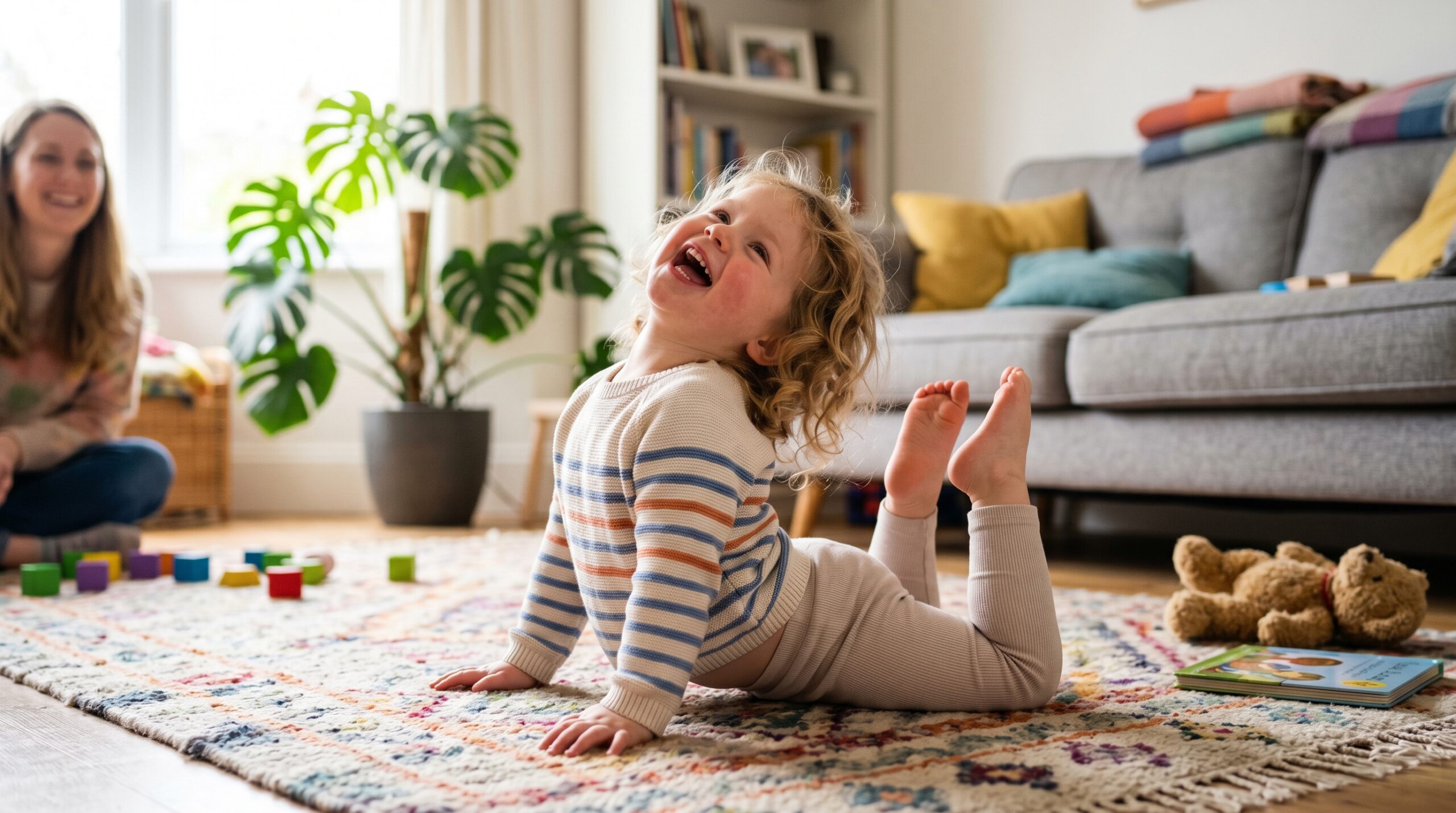
Why Do Babies Seem So Flexible?
Have you ever noticed how babies can sit, twist, or move in ways that adults definitely cannot?
That flexibility comes from:
- Softer bones
- Flexible joints
- More cartilage
- Developing muscles
A baby’s body is built for movement and rapid growth. Their flexibility helps them explore the world safely while their body continues developing.
Adults lose much of that flexibility because bones become harder and joints become less flexible over time.
Tiny Bodies, Incredible Engineering
When you think about it, babies are basically tiny construction projects.
Their bodies are constantly:
- Growing
- Strengthening
- Building bone tissue
- Developing muscles
- Learning coordination
Every month brings huge changes inside the body, even when those changes are invisible from the outside.
This is why proper nutrition, sleep, and movement are so important during childhood. A growing body needs the right support to build healthy bones and muscles.
15 Fun Facts About Baby Bones 👶🦴
1. Babies Have More Bones Than Adults
Newborn babies are born with around 300 bones, while adults only have 206.
2. Baby Bones Slowly Join Together
As babies grow, many tiny bones naturally fuse together to form stronger bones.
3. Babies Have Soft Spots on Their Heads
The soft spots on a baby’s head help the skull stay flexible during birth and brain growth.
4. A Baby’s Skull Is Made of Separate Plates
A newborn’s skull is not one solid bone yet — it develops over time.
5. Baby Bones Are Softer Than Adult Bones
Many baby bones contain flexible cartilage, making them softer and bendier.
6. Babies Are Naturally More Flexible
Their soft bones and joints allow babies to move in ways adults usually cannot.
7. Cartilage Turns Into Bone Over Time
As babies grow, soft cartilage slowly hardens into strong bone tissue.
8. Babies Fall Down a LOT
Tiny humans can fall hundreds of times while learning to walk — softer bones help protect them.
9. Baby Bones Heal Faster
Children’s bones often heal quicker than adult bones because their bodies are growing rapidly.
10. Babies Have Tiny Kneecaps
At birth, kneecaps are mostly cartilage and harden later during childhood.
11. The Human Body Builds Itself
A baby’s skeleton constantly changes shape while growing bigger and stronger.
12. Bone Growth Continues for Years
Some bones keep developing and strengthening into the teenage years.
13. Babies Need Calcium for Strong Bones
Healthy food and nutrients help growing bones develop properly.
14. Crawling Helps Bone Development
Movement and physical activity help strengthen muscles and bones during growth.
15. Tiny Humans Are Like Little Construction Projects
Every day, a baby’s body is building, shaping, and strengthening itself in amazing ways.
The Science Behind Growing Up
As children become teenagers and adults, their skeleton becomes stronger, denser, and more stable.
Calcium, exercise, healthy sleep, and nutrition all play important roles in helping bones grow properly.
That’s why doctors and health experts encourage:
- Drinking milk or getting calcium
- Physical activity
- Outdoor play
- Balanced nutrition
- Proper sleep
Healthy habits during childhood help build strong bones for life.
Final Thoughts
The fact that babies have more bones than adults is one of the most surprising and fascinating facts about the human body.
Tiny babies may look soft and delicate, but inside, their bodies are performing incredible work every single day. From flexible skull plates to growing cartilage and strengthening bones, the baby body is designed perfectly for rapid growth and learning.
So the next time you see a tiny baby crawling around or taking their first steps,
remember:
That little human is carrying around nearly 300 bones and building a stronger body every day.
The human body truly is amazing.
FAQ’S
why babies stare at you?
Babies stare at you because they are learning faces, emotions, and voices while building trust and curiosity about the world. 👶👀
Why babies have 300 bones in the womb?
Babies develop with around 300 tiny bones and cartilage pieces that later join together as they grow.
How many bones does a 7 year-old have?
A 7-year-old usually has more than 206 bones because some bones are still growing and fusing together.
How many bones in new born baby Wikipedia?
A newborn baby has approximately 300 bones at birth.
How many bones in baby?
Most babies are born with around 300 bones.
How many bones do adults have?
An average adult human has 206 bones.
Why do babies have more bones?
Babies have more bones because many small bones later fuse together during growth.
How many bones in new born baby skull?
A newborn baby’s skull is made up of several separate bone plates that slowly join together over time.
What bones are babies born without?
Babies are not born with fully developed kneecaps; they start as soft cartilage and harden later.

